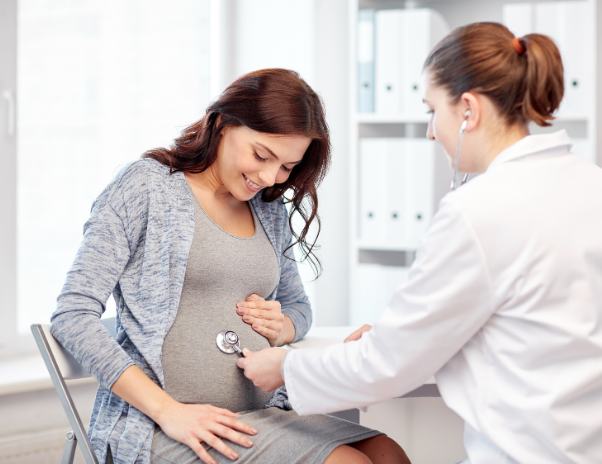
Pregnancy Including High Risk
Pregnancy is a transformative journey that requires proper care, regular monitoring, and emotional support. Every pregnancy is unique—while many follow a normal, uncomplicated course, some may fall under the category of high-risk, requiring specialized medical attention:
- Morning sickness, especially in the early months.
- Healthy weight gain and consistent baby growth.
- Regular fetal movements after 18–20 weeks.
- Stable blood pressure and blood sugar levels in the mother.
Management of a normal pregnancy involves:
- Routine prenatal check-ups to monitor mother and baby.
- Balanced diet, guided exercise, and lifestyle support.
- Ultrasounds to track fetal development and detect abnormalities.
- Blood tests to monitor hemoglobin, blood type, and screen for conditions like gestational diabetes.
A pregnancy is considered high-risk when either the mother, the baby, or both face an increased chance of complications. Early identification and careful monitoring are crucial in these cases.:
- Maternal age: Women under 17 or over 35.
- Pre-existing medical conditions: Diabetes, hypertension, heart disease, etc.
- Multiple pregnancies: Twins, triplets, or more.
- Pregnancy complications: Gestational diabetes, preeclampsia, or early labor.
- Lifestyle factors: Smoking, alcohol use, or inadequate prenatal care.
Management of high-risk pregnancies:
- More frequent prenatal visits and closer monitoring.
- Specialized tests like non-invasive prenatal testing (NIPT), fetal echocardiograms, and amniocentesis.
- Targeted treatments for conditions like gestational diabetes or preeclampsia.
- Consultation with specialists such as maternal-fetal medicine experts.
- Possible early delivery if complications arise that put the mother or baby at risk.
Managing both normal and high-risk pregnancies involves teamwork between the mother and healthcare providers to ensure the best outcomes for both.