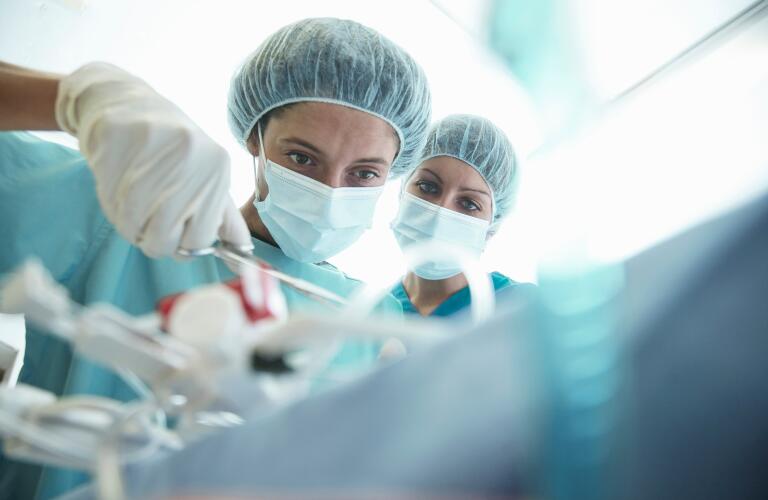
Medicaly as Well as Surgically
Many gynecological conditions can be managed either with medicines (non-surgical) or with surgical procedures, depending on the severity, symptoms, and patient’s overall health. Our approach is to begin with medical management whenever possible, and only recommend surgery if truly necessary.
Medical Management:
Medical (non-surgical) treatment focuses on relieving symptoms, correcting hormonal imbalances, and controlling disease progression.
- Hormonal Therapy – birth control pills, hormonal injections, or IUDs to regulate cycles and manage bleeding.
- Medications – antibiotics for infections, pain relief medicines, or drugs to shrink fibroids/cysts.
- Fertility Treatments – medicines for ovulation induction in infertility cases.
- Lifestyle & Holistic Care – diet planning, yoga, meditation, and counselling to support overall health.
Surgical Management:
Surgery is recommended when medical treatment is not effective, or when the condition poses risks to health or fertility.
- Laparoscopic Surgery – minimally invasive procedures for ovarian cysts, fibroids, endometriosis, and infertility-related issues.
- Hysteroscopic Surgery – removal of uterine polyps or fibroids without external cuts.
- Open Surgery – for complex or large conditions where laparoscopy is not suitable.
- Hysterectomy – surgical removal of the uterus in severe or recurrent cases.
- Tubal & Fertility Surgeries – to open blocked fallopian tubes or improve fertility.
Our Approach:
- Start with least invasive methods first (medicines, lifestyle, counselling).
- Use advanced surgical techniques when required for faster recovery and minimal scarring.
- Provide personalized treatment plans based on the woman’s age, fertility goals, and overall health.
- Combine medical care with holistic support for long-term wellness.